Blueroof360.
Founded in 2008. Sold to Brivity in 2017. Nine years of building a custom-website platform for top real estate brokerages. Six Real Trends Awards. Two Webbys. The school where I learned what running a business actually means.
// The situation
In 2008, real estate brokerage websites were mostly bad. We bet they could be custom and beautiful.
Blueroof360 started in 2008 with a simple observation: real estate brokerages were spending serious money on websites, and most of those websites looked terrible. Stock templates, broken IDX integration, agent rosters that hadn't been updated since 2003. The industry was big, the budgets were real, and the bar was on the floor.
We bet on custom design. Each Blueroof site would be designed for a specific brokerage's brand and market. IDX search would actually work and refresh in near-real time. Agent rosters would be easy for the brokerage to maintain. SEO would be built in from the start. We weren't going to win by being cheapest. We were going to win by making websites brokerages were actually proud of.
// The team
Every founder does every job. I just did it for longer than I should have.
For the first stretch of Blueroof360, I was the designer, the developer, the salesperson, the project manager, and the customer-success team. Every founder lives that phase. Most of the lessons I still carry as a CPO came from those years.
The biggest one: you do every job until you can hire someone who does it better than you. The hard part isn't hiring; it's hiring the right person and then actually trusting them. The first time you let someone else own a customer relationship you spent two years building is a kind of professional vulnerability they don't teach in business school.
Over nine years, the team grew. The brokerages grew. The work got harder and the lessons got expensive. Most of what I know about how a small organization actually functions came out of those years, and it has shaped how I lead product teams ever since.
// The bet
Custom websites. Personal relationships. The unsexy work of being good at the basics.
Custom over template. While competitors offered drag-and-drop templates and "pick your color scheme" websites, we designed every site from scratch for the specific brokerage. It cost more to deliver, but it made us the choice for brokerages that took their brand seriously.
Customers, not contracts. Brokerages don't switch website providers for fun. They switch when something breaks or when they feel unheard. I built personal relationships with the brokers we worked with. I picked up the phone. I knew the names of their kids. That kind of attention scales badly, which is exactly why competitors couldn't copy it.
Boring excellence at the technical layer. IDX search that refreshed every 5 minutes. SEO that actually ranked. Agent rosters that brokerage admins could update without filing a support ticket. None of these were sexy features. Together they were what brokerages actually needed.
// The product portfolio
What we built.
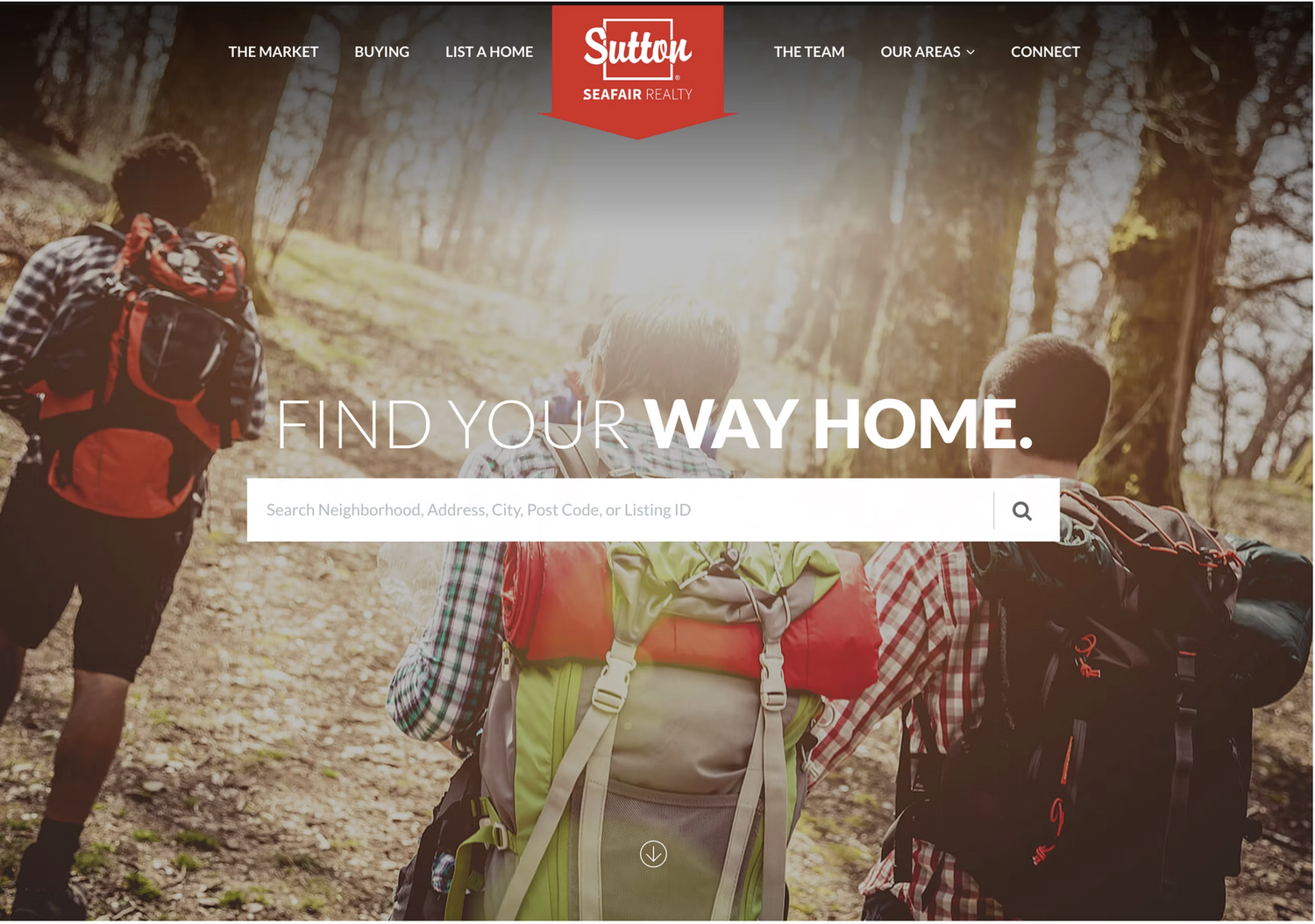
Custom brokerage websites.
Designed from scratch for each brokerage's brand. Integrated IDX search refreshed every five minutes, branded agent rosters that admins could update themselves, custom property landing pages, and SEO designed from the start to rank in local markets. Individual agents at each brokerage could also pick from a set of templates and customize their own pages. The brokerage owned the brand; the agent owned the presentation. Won six Real Trends Awards and two Webby Awards over the company's lifetime.
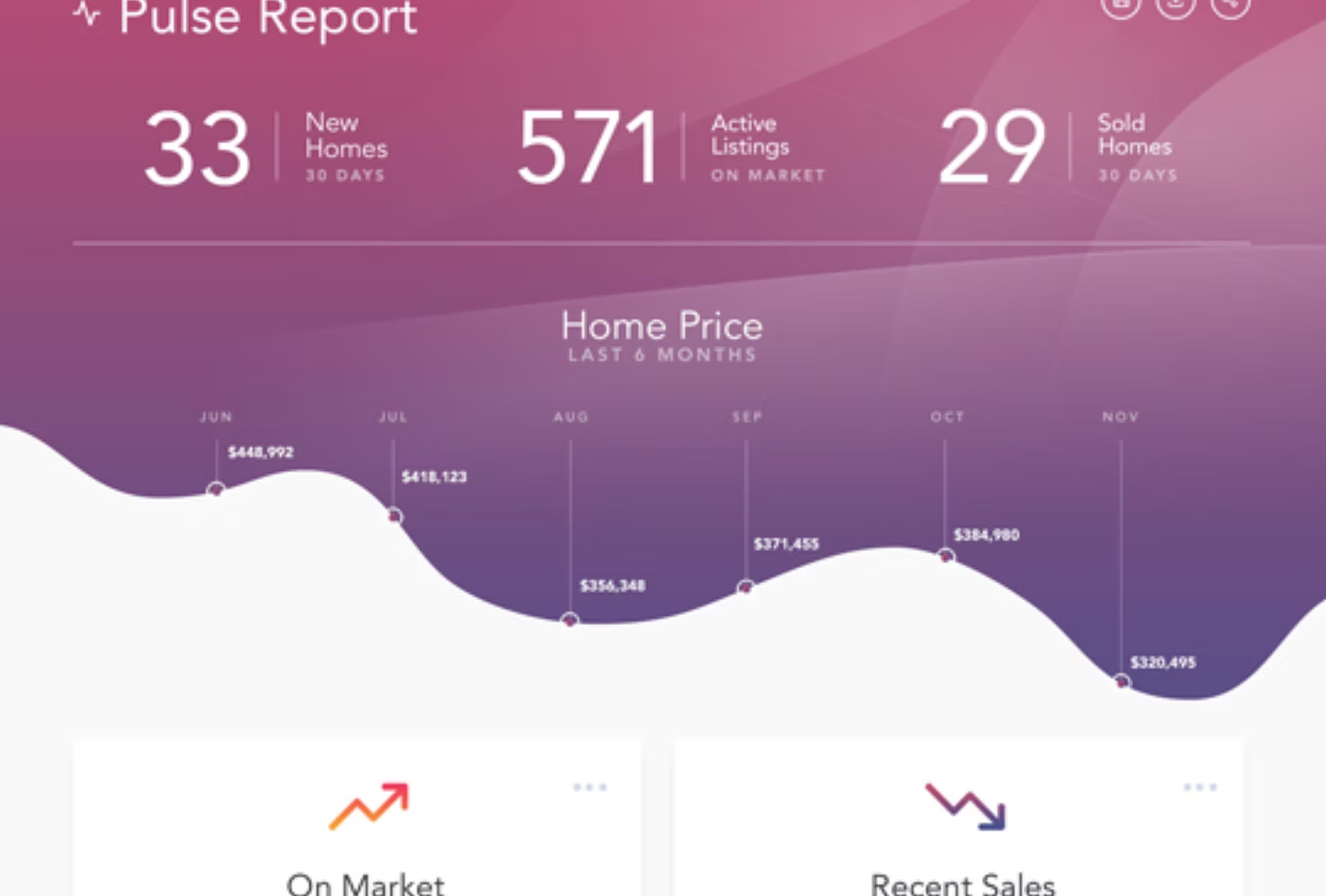
Area Pulse.
A standalone product agents could use to send personalized market reports to prospective clients. Each report customizable by area, criteria, and the agent's branding. Each one had its own landing page with lead capture, so a market-update email could turn into a new buyer relationship.
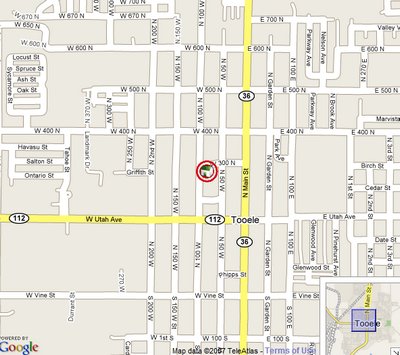
Real estate listings on Google Maps.
We were one of the first companies to put real estate listings on Google Maps. The early implementation was crude (it didn't work as well as we wanted), but it was novel enough at the time to land us our first press coverage. The bigger lesson: shipping something imperfect that nobody else has tried beats waiting until your good version is ready.
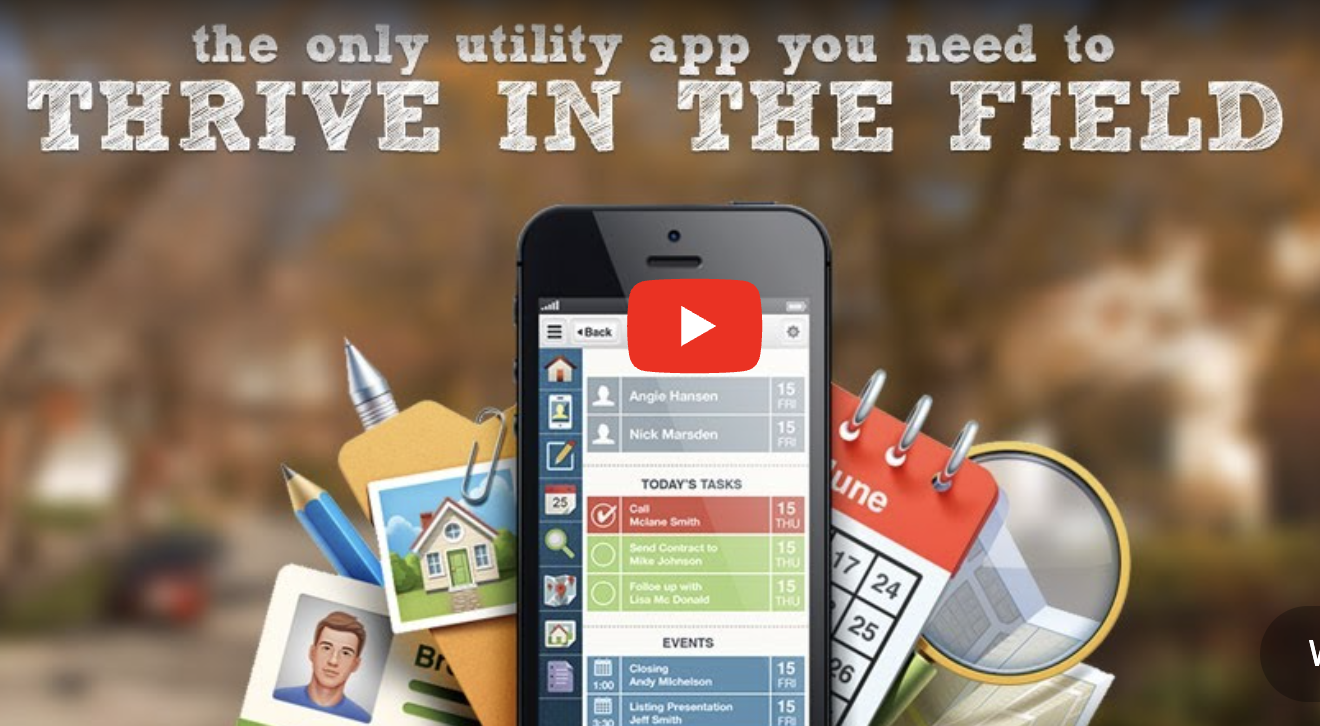
Bluequb.
An app we built in 2010 that was, in the polite phrasing, ahead of its time. It accomplished several things the industry would adopt years later. We never secured the funding to scale it. Filed under "what to do differently next time."
// What it produced
Nine years. Two trophies that mattered. One exit. A handful of relationships I still have.
- 9 years
- From founding to exit.
- 6
- Real Trends Awards for best real estate website.
- 2
- Webby Awards for best real estate website.
- 4,100+
- Agents served at the top three brokerage clients.
- Acquired by Brivity
- The exit, 2017.
- Among the first
- Companies to put real estate listings on Google Maps.
Featured brokerage clients: Remax Results (1,200 agents), Berkshire Hathaway Florida Realty (1,600 agents), C21 Everest Realty (1,300 agents), Telluride Sotheby's Realty, Grubb Co, The Young Team, Sutton Realty.
// What it proves
Nine years as a founder taught me how to talk to founders. Most product leaders haven't been one.
What I learned at Blueroof360, in no particular order.
Hire the right people, then trust them. The hardest part of founder work isn't getting good people to join. It's letting go of the work after they do.
Customer relationships are not a feature. They are the product. The brokerages that stayed with us for years weren't there because of any single technical capability. They were there because they trusted us, and trust is built one phone call at a time.
Work hard, but work smart on the right things. The founders I respect most never confused activity with progress. Filling the calendar is easy. Filling it with work that actually matters is the discipline.
What it produces, in every job since: when I sit across from a CEO or a founder now, I can tell you exactly what their week looks like, what's keeping them up at night, what feels impossible from where they're sitting. I've been them. Most product leaders haven't. That makes me a different kind of partner at the executive table.
// Keep going